YOU GUYS YOU GUYS YOU GUYS

runcibility:

I FOUND MY PATRONUS ANIMAL! MEET…. THE SHAME-FACED CRAB

image

JUST LOOK AT THAT FACE: 

image
image
image

IT IS CLEARLY NERVOUS AROUND EVERYONE AND EVERYTHING AND WAITING FOR SOMETHING BAD TO HAPPEN

image
image

LOOK AT THEM AWKWARDLY SCUTTLING OUT OF A SOCIAL SITUATION: 

image

LOOK AT THEM HARRUMPHING AT BEING TOLD ATTENDANCE AT A GATHERING IS MANDATORY:

image

LOOK AT THEM BURROW AWAY FROM THEIR PROBLEMS, PRETENDING THEY DON’T EXIST: 

image

I LOVE YOU, CRAB OF SHAME!

image

displacerghost:

thefingerfuckingfemalefury:

ayellowbirds:

dooweeweeweeboo:

zombie1ovejuice:

weshookthesky:

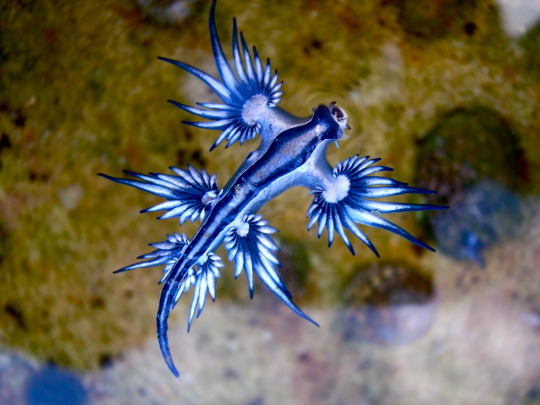
The Blue Dragon (Glaucus atlanticus), one of the world’s rarest and most beautiful mollusks

that’s an alien, that’s an alien dragon baby. that’s the coolest thing I’ve ever seen

YES FINALLY BACK ON MY DASH I LOVE THIS LIL FUCKER. LOOK AT IT

ohy my fucking god i finally know how my patronus looks like

Fun fact, nearly every photo of a blue dragon shows it on its back, because they live floating in the water with their bellies up. G. atlanticus mostly preys on venomous squishy things like Portuguese man o’ wars, and as a result of its diet, stores the nematocysts that provide MOWs with their incredibly painful sting. It is not recommended to handle these tiny dragons.

they are also even prettier in their proper environment, without getting all compressed.

I am more convinced than ever that this is a Space Being

@setepenre-set

joanhello2:

octopusthingz:

“The cockatoo squid, Taonius sp. has large eyes bulging from its head and photophores, or light organs, under the eyes.

Many deep-sea animals have specialized eyes for seeing in the dim light.

This squid is found in the deep midwater below 300 meters, often hanging motionless with their arms above their body”

@mbari-blog

Shared Via: OctoNation- The Largest Octopus Fan Club – Instagram.com/OctoNation

@setepenre-set , @displacerghost

parrotfishteeth:

noaasanctuaries:

Watch out – this Venus flytrap anemone stings! 

Like the plant from which they get their name, Venus flytrap anemones trap unwitting prey. The anemone’s tentacles contain stinging cells that inject venom and can close to keep prey from escaping. 

This beautiful anemone was spotted in the deep waters of National Marine Sanctuary of American Samoa by researchers aboard the NOAA Ship Okeanos Explorer. The anemone itself is perched on top of a dead Iridogorgia coral, perhaps to better access the current and passing prey. 

(Photo: NOAA Office of Ocean Exploration and Research, 2017 American Samoa)

@displacerghost